Cold briquetting

German engineering. Global impact.

Cold briquetting

Cold Briquetting -
how it works

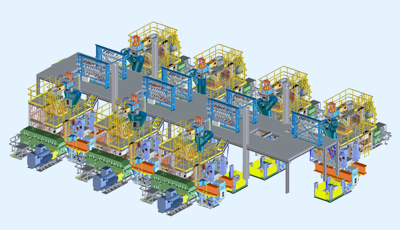
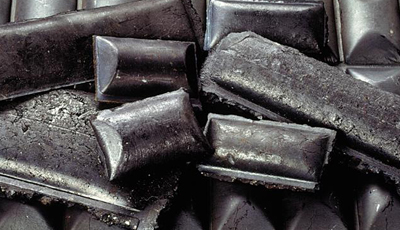
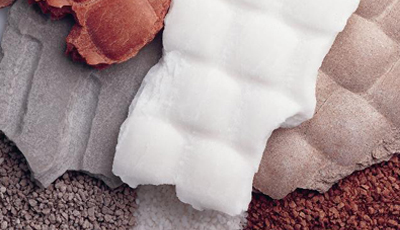
Cold briquetting using roller presses converts fine bulk materials into dimensionally stable briquettes. Two counter-rotating rollers with specially shaped molds compress the material under high pressure—without any external heat input. The result: a product that can be stored and transported and is ready for further use.

This technology is used wherever lumpy material is required. Köppern not only offers a wide range of customizable machines, but also comprehensive expertise throughout the entire briquetting process—from binder selection to peripheral equipment.

Composition of recipe

In cold briquetting, the recipe is compiled on the basis of defined parameters such as raw material type, grain size, moisture content and binder content. The decisive factor is the optimum interaction of these factors to ensure the desired briquette quality - meaningful results from pilot plant tests form the basis for this.

Binder

If the feed material cannot be plasticized, binding agents are used. The suitable binding system is determined in tests. In addition to good briquette quality, criteria include local availability and suitability for the downstream process.

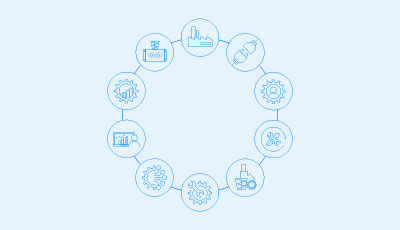
① Mixer

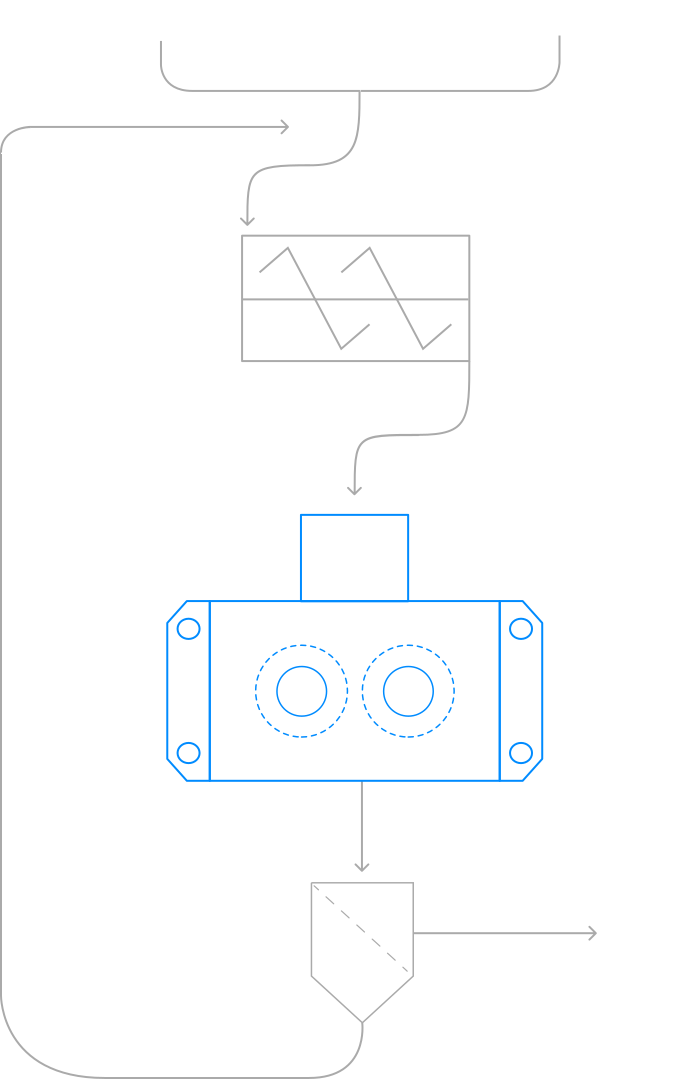
The mixer ensures homogeneous distribution of all components—especially binders, moisture, and additives—and is therefore crucial for briquette quality. Depending on the material properties, different types of mixers are used, such as batch mixers or continuously operating intensive mixers.
② Press
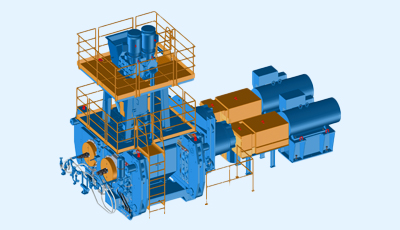
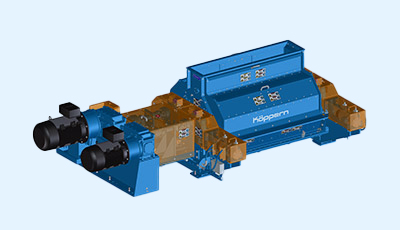
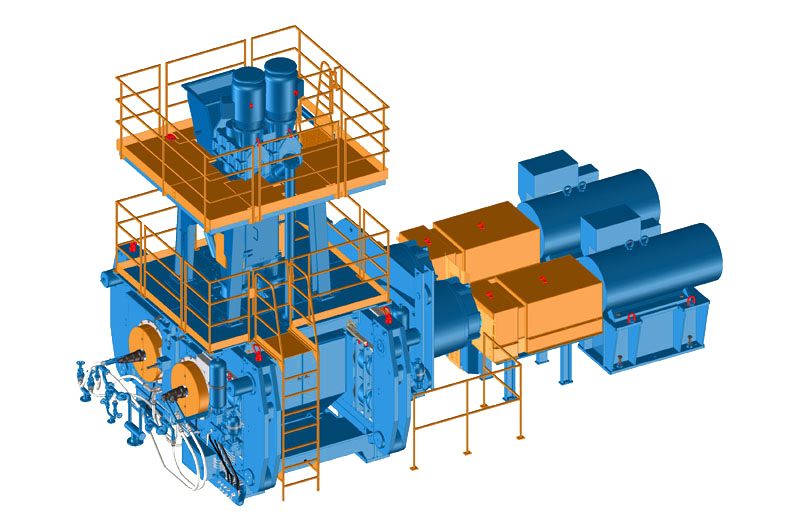
During briquetting, the press compacts the mixed material under high pressure to form dimensionally stable briquettes. Köppern offers various types of roller presses for this purpose, tailored to the material, throughput, and briquette shape. Thanks to precise material feeding, roll gap control, and robust roll design, our presses impress with their long service life, consistent briquette quality, and precise shaping—even with demanding and abrasive materials.
③ Sieve

After briquetting, the screen separates undersize particles from the product fraction. The undersize particles are fed back into the press.

Storage / post-treatment

Storage and post-treatment ensure the stability and durability of the briquettes—e.g., through drying, hardening, or cooling—and prepare them optimally for transport and further processing. Consistent conditions are important in order to specifically control post-hardening or moisture absorption or loss. Our technologies enable gentle material handling, which has a positive effect on briquette quality.
Your advantages

We have extensive knowledge in the field of binding agent technology for producing stable and durable briquettes. Through the targeted selection and dosing of suitable binding agents—tailored to the respective raw material—we achieve optimum briquette strength and high product quality. This knowledge enables us to develop customized solutions and reliably process even the most demanding materials.

The pressing force is adapted to the task at hand. Each material has "its" pressing force, at which optimum product properties are achieved. Specific press forces of up to 150 kN/cm are required to be able to fuse metallic materials. Our presses cover the entire range.

Through constant further development and continuous process optimization, we ensure that our cold briquetting solutions always represent the latest state of the art. Innovative adaptations to material development, mechanical engineering, and control technology lead to higher efficiency, better briquetting results, and reduced operating costs. Our customers thus benefit from future-proof technology that can be flexibly adapted to changing requirements.

When developing our systems, we place great emphasis on maintenance-friendly design, which reduces downtime to a minimum. Easily accessible components, well-designed assemblies, and the use of low-wear materials enable fast and easy maintenance. The result is high system availability and reliable operation without interruptions.

Our powder metallurgical Residur® tools also offer outstanding performance in cold briquetting thanks to their wear resistance and dimensional stability. This ensures consistently high briquette quality over long service lives, even with abrasive or difficult-to-press materials.

The robust design of our systems is specially engineered for long-term use under demanding conditions. High-quality materials, reinforced components, and a stable construction ensure maximum load capacity and a long service life for the machines. As a result, our customers benefit from reliable, low-maintenance systems with consistently high availability.
We offer the opportunity to conduct trials to test and optimize processes and materials in a practical setting. As a customer, you receive reliable data for the design of your future production plant and for briquette quality under realistic conditions. This minimizes project risks and enables a customized and economical plant design.

Why Köppern?

Our decades of experience, combined with continuous research and development, make us a reliable partner. With individually configurable solutions, we support our customers worldwide in processing raw and residual materials economically and sustainably.

Learn more about our systems and machines for cold briquetting, as well as our roller presses.

You can find everything about new developments and important dates around Köppern here.

Contact us

Contact us for your
customized solution

Would you like to find out more about our cold briquetting solutions? Our experts will be happy to advise you and work with you to develop a solution that is precisely tailored to your production requirements.

The company

Contact us

Career

News

Roller press Boat Roller press Boat Roller press Boat Roller press Boat Roller press Boat Boat Boat Boat Boat Boat Boat Boat
Roller press Boat Roller press Boat